

Masking, Burnout, and Meniere’s Disease
There is a conversation we don’t have often enough in workplaces across Africa: the hidden cost of masking.
Masking, Burnout, and Meniere’s Disease Read More »
There is a conversation we don’t have often enough in workplaces across Africa: the hidden cost of masking.
Masking, Burnout, and Meniere’s Disease Read More »
For much of my life, I believed I had failed.
Unpacking the High-Achieving Autistic Individual Read More »
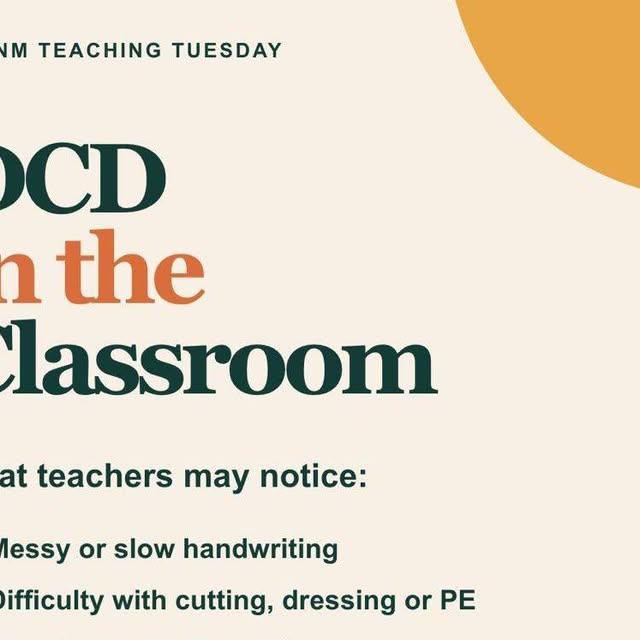
From the ANM archive · Based on an original ANM Instagram post: 10 August 2026 Work should not become a daily test of coordination, pace or masking. Practical support starts with asking what will make the job workable. Developmental Coordination Disorder (DCD), sometimes called dyspraxia, affects movement and coordination. The impact is different for each
DCD at work: practical support without assumptions Read More »
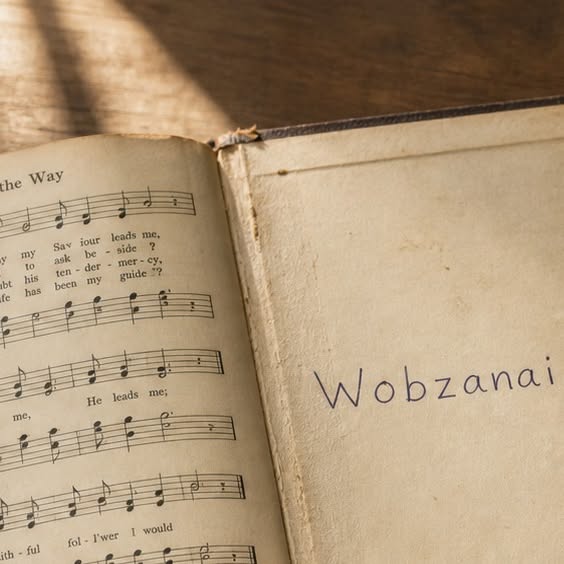
From the ANM archive · Original Instagram post: 28 July 2026 A classroom moment can look small to the people watching and stay with a learner for years. In this ANM lived-experience reflection, a name was misspelled and a moment of difference became exposure. It is a reminder that reading, writing and public correction are
“Wobzanai”: when a classroom memory stays with you Read More »
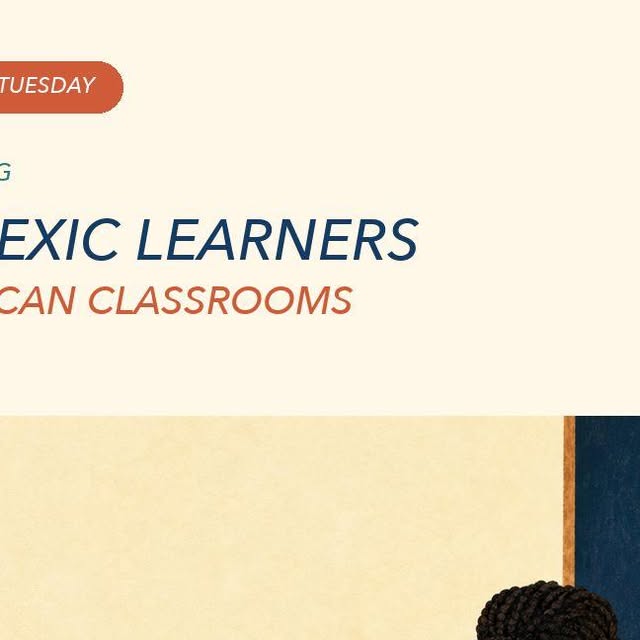
From the ANM archive · Original Instagram post: 28 July 2026 Slow reading does not mean slow thinking. A learner’s intelligence is not measured by how quickly they decode a page. Dyslexia can affect reading accuracy, reading speed, spelling and the effort needed for written work. It is not a measure of intelligence. In multilingual
Slow reading does not mean slow thinking Read More »
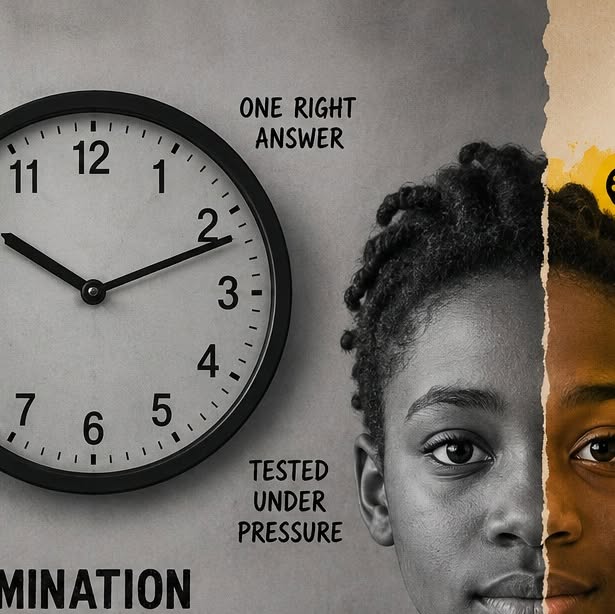
From the ANM archive · Original Instagram post: 30 July 2026 A learner may be working far harder than anyone can see. Support is not a favour; it is access. When schools recognise different ways of learning, communicating, moving and regulating, they can remove barriers before a learner is pushed out of participation. The aim
Support is access: helping learners thrive at school Read More »
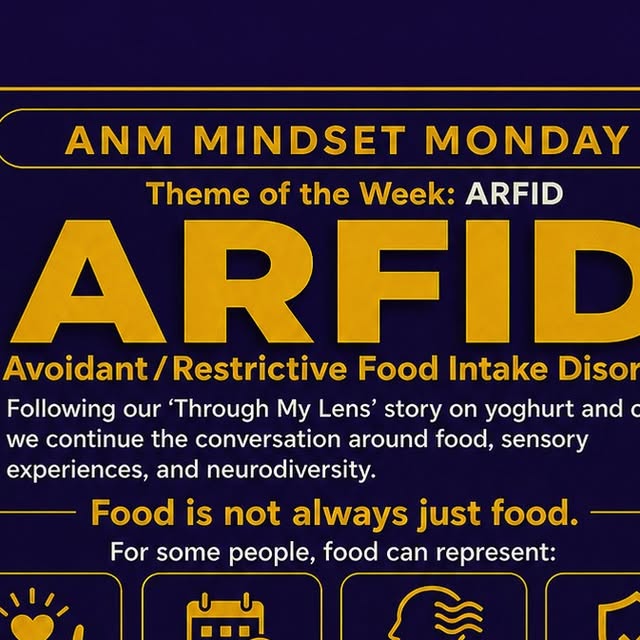
From the ANM archive · Original Instagram post: 3 August 2026 A familiar food can be more than food. It can be routine, sensory comfort, memory and a small way of feeling at home. This archive piece grew from an ANM lived-experience reflection on an unexpected comfort-food combination. The point is not to make every
When food becomes comfort, safety and belonging Read More »
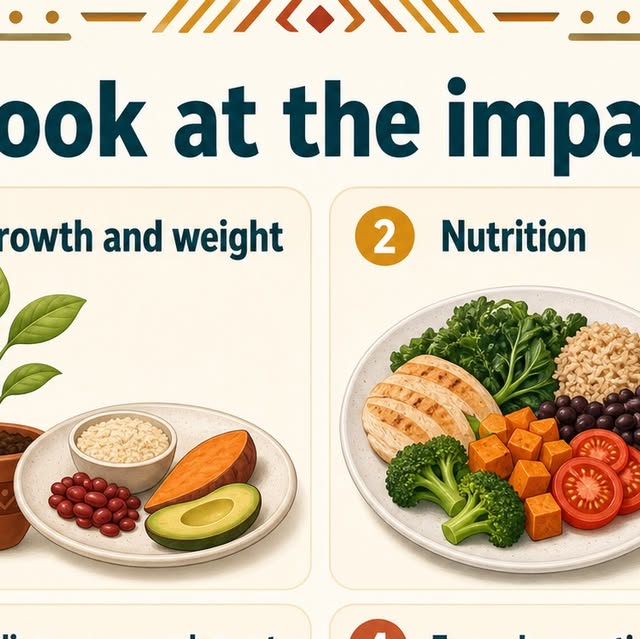
From the ANM archive · Original Instagram post: 3 August 2026 Food difficulties are not always about stubbornness, manners or parenting. The more useful question is what the difficulty is costing the person. Looking beyond “picky eating” Avoidant/Restrictive Food Intake Disorder (ARFID) describes a pattern of avoiding foods or restricting the amount eaten. Sensory differences,
When eating becomes difficult: looking beyond selective eating Read More »

From the ANM archive · Original Instagram post: 10 August 2026 Some learners do not need more pressure. They need a school day that makes motor-planning and coordination differences easier to work with. Start with what the task is asking of the body Developmental Coordination Disorder (DCD), also called dyspraxia, can affect motor coordination. For
DCD in the classroom: what teachers need to notice Read More »
Welcome to Astra Starter Templates. This is your first post. Edit or delete it, then start blogging!