A resource from ANM
Inclusion is how we build the room.
Not an invitation after the work is done. Not a favour. Inclusion means changing the conditions so neurodivergent and disabled people can belong, contribute and lead across African communities.
ANM’s view: when someone is excluded, the first question is not “how can they fit in?” It is “what is this space asking them to carry alone?”
Inclusion, plainly
Presence is not the same as belonging.
A person can be in the classroom, office, church, family gathering or community meeting and still be excluded: spoken over, left without the information they need, expected to cope with a hostile environment, or invited only after every important decision has been made.
Inclusion is practical. It means noticing barriers and redesigning routines, communication, attitudes and access. It is a shared responsibility—not an individual person’s job to prove they deserve space.
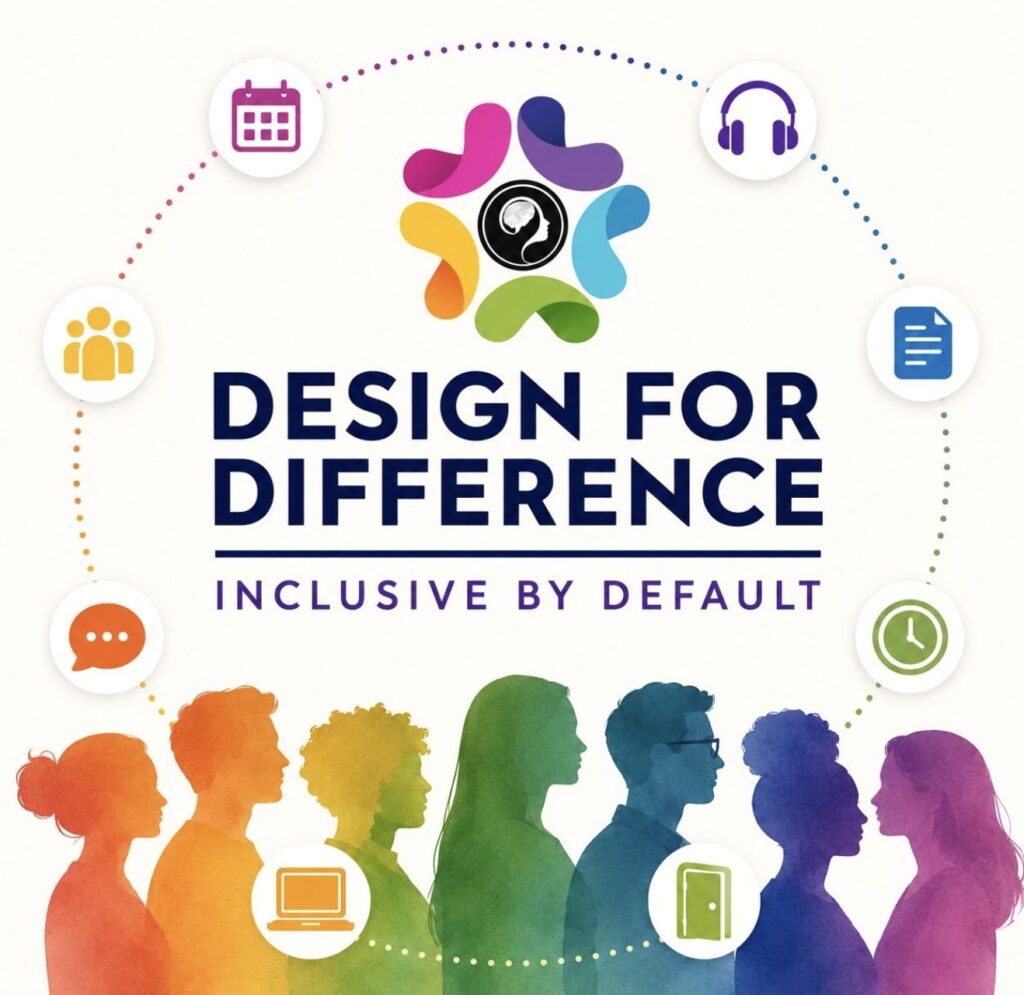
Look for all three
01 / Access
Can people get in and get the information?
Think location, cost, transport, language, digital access, sensory conditions, timing and communication format. A door can be technically open and still be out of reach.
02 / Participation
Can people take part without having to hide who they are?
A space is not inclusive if someone must tolerate ridicule, exclusionary rules or constant exhaustion in order to remain there. Safety, respect and reasonable adjustments matter.
03 / Influence
Do people shape the decisions that affect them?
Consultation is a beginning, not a finish. Include lived expertise in planning, delivery and review—and compensate people fairly for their time and knowledge.
“Nothing about us without us” is not a slogan for a poster. It is a way of making better decisions, with the people who live their consequences.
African realities
Inclusion has to work where people actually live.
No single African context
Languages, rural and urban life, family structures, services, schooling and legal protections differ widely. Imported “best practice” is not enough if it ignores local relationships and realities.
Dignity is not a luxury
Limited resources are real. So is the immediate harm of stigma, humiliation, exclusion and violence. Respectful language and meaningful participation cost far less than their absence.
Communities hold solutions
Families, peer networks, educators, employers, advocates and faith leaders can reduce isolation. The goal is not charity—it is collective responsibility and shared power.
Inclusion in practice
Change the conditions, not the person.
Education
Make learning possible.
Use clear routines, accessible materials, flexible ways to demonstrate learning, anti-bullying action and support that is planned with learners and families—not around them.
Workplaces
Make contribution possible.
Write expectations down, make meetings accessible, offer practical adjustments, challenge ableism and give people meaningful routes into leadership—not just visibility days.
Community life
Make belonging possible.
Ask before assuming. Share information in more than one way. Create calm, respectful spaces. Intervene when someone is mocked, left out or treated as a burden.
Start tomorrow
Four honest first moves
- Listen before planning. Ask neurodivergent and disabled people what gets in the way—and believe the answer.
- Find one barrier. Start with a form, a meeting, a rule, a route, a classroom routine or a communication practice.
- Make a change with people, not for them. Test it together and keep asking what still needs work.
- Build accountability. Name who will act, what will change, when it will be reviewed and how people can raise concerns safely.
Sources and limits
This is an educational ANM resource, not legal advice. It is informed by UNESCO’s approach to identifying and removing barriers to inclusive education and Article 24 of the UN Convention on the Rights of Persons with Disabilities, which addresses inclusive education and reasonable accommodation. Laws, services and priorities differ across African countries and communities; adapt this page with local lived expertise and policy advice before publication.
The ANM position
Inclusion is not a special project. It is good community design.
Make room. Share power. Stop asking people to shrink in order to belong.