

From the ANM archive · Original Instagram post: 3 August 2026
Food difficulties are not always about stubbornness, manners or parenting. The more useful question is what the difficulty is costing the person.
Looking beyond “picky eating”
Avoidant/Restrictive Food Intake Disorder (ARFID) describes a pattern of avoiding foods or restricting the amount eaten. Sensory differences, fear of an unpleasant consequence such as choking, or low interest in eating can all be part of the picture. It is not defined by a wish to change body shape or weight.
When it may be time to seek support
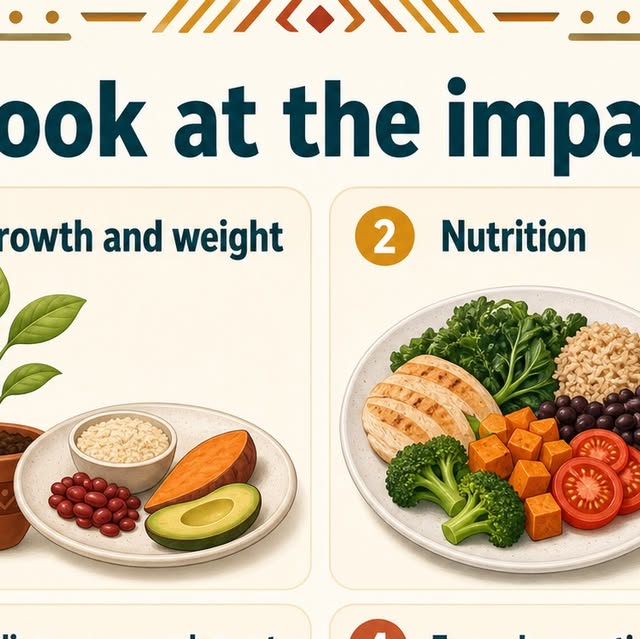
It is worth speaking to an appropriately qualified local health professional when eating difficulties are affecting health, nutrition, growth, energy, emotional wellbeing or everyday participation. This is not something a social-media post, teacher or family member can diagnose.
Support without shame
- avoid pressure, teasing or turning meals into a battle
- notice sensory, access and routine barriers with curiosity
- keep familiar foods available where possible
- include the person in conversations about support and ask what feels safe
- seek evidence-based help if the impact is significant
Respecting a person’s relationship with food does not mean ignoring risk. It means responding without blame.
Further reading: NHS overview of eating disorders, including ARFID · NHS ARFID service information · View the original ANM Instagram post
Educational information only; it is not individual medical, therapeutic or diagnostic advice.